
Why Grip Strength Matters More Than You Think as We Age
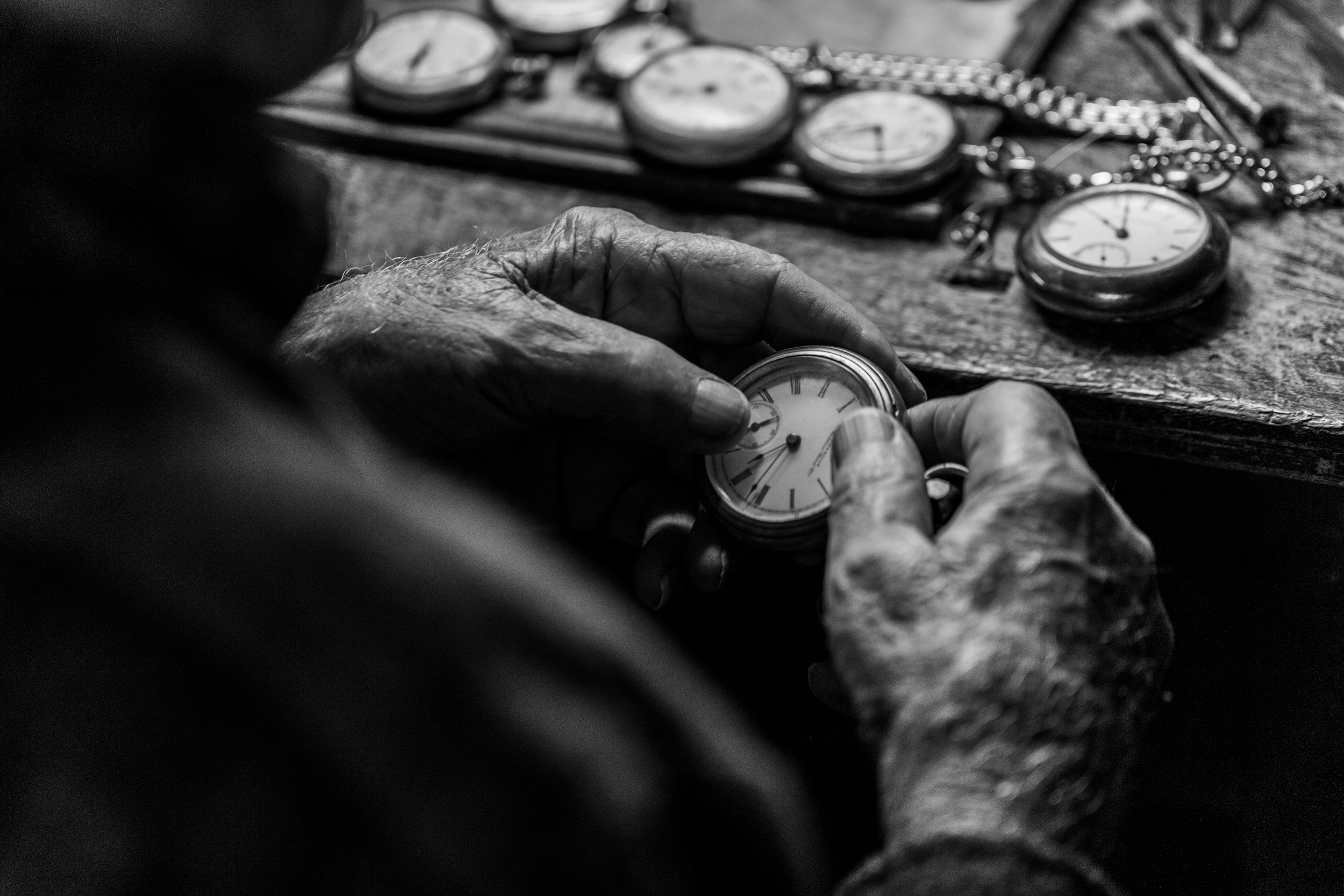
As a physician, I’ve spent years caring for older adults, and some of the most meaningful relationships in my career have been with patients in their later decades of life.
One thing I’ve learned is that healthy aging often has less to do with dramatic interventions—and more to do with preserving the small, everyday abilities that allow people to remain independent and connected to the life they love.
Recently, I read an article about aging in Japan that resonated with me deeply.
👉 https://www.usmedicinetoday.com/why-i-threw-my-assisted-living-brochures-in-the-trash-after-discovering-this-japanese-secret-74b/
Like many viral health articles, the headline is emotional and attention-grabbing. But underneath it is an important idea that is strongly supported by research:
Hand strength and dexterity may be one of the clearest windows into how well we age.
Why Grip Strength Matters More Than Most People Realize
Grip strength sounds simple—even trivial at first.
But in geriatric medicine, it’s increasingly viewed as a meaningful indicator of overall health, mobility, resilience, and independence.
In fact, researchers have described grip strength as a potential “biomarker of aging.” A major review published through the National Institutes of Health found that lower grip strength is associated with:
Higher rates of disability
Increased hospitalization risk
Reduced mobility
Greater likelihood of loss of independence
Increased all-cause mortality
👉 Grip Strength: An Indispensable Biomarker for Older Adults
https://pmc.ncbi.nlm.nih.gov/articles/PMC6778477/
Another long-term study published in JAMA found that hand grip strength in midlife strongly predicted functional limitations and disability decades later.
👉 Midlife Hand Grip Strength as a Predictor of Old Age Disability
https://jamanetwork.com/journals/jama/fullarticle/188748
That’s remarkable.
Something as simple as the ability to open a jar, carry groceries, button a shirt, or hold onto a railing may reflect much more than hand function alone.
What Japan Gets Right About Aging
Countries like Japan—particularly regions such as Okinawa—often come up in conversations about longevity because many older adults remain active and engaged later in life.
Research into “Blue Zones,” studied extensively by Dan Buettner, points to several common themes:
Daily movement
Strong social connection
Purpose and routine
Lifelong activity
Functional independence
👉 https://www.bluezones.com/explorations/okinawa-japan/
What stands out to me as a physician is that many of these habits naturally preserve strength, balance, coordination, and dexterity over time.
Not through extreme workouts—but through continued use.
Gardening. Cooking. Walking. Carrying things. Using the hands throughout daily life.
The body adapts to what we continue asking it to do.
Independence Often Lives in the Small Details
When people think about aging, they often focus on diagnoses:
Diabetes
Heart disease
Arthritis
Memory loss
But loss of independence often begins much more quietly.
It can start with:
Difficulty opening containers
Trouble getting out of a chair
Avoiding stairs
Reduced confidence carrying objects
Slower reaction times
Hand weakness
These changes matter because they affect everyday life.
Research increasingly shows that grip strength reflects broader muscle and neurologic health—not just hand strength itself. Some experts now consider it almost a “vital sign” of aging and functional health.
👉 Hand Grip Strength as a Proposed New Vital Sign of Health
https://pmc.ncbi.nlm.nih.gov/articles/PMC10777545/
Can Grip Strength Be Improved?
The encouraging news is: often, yes.
Studies show that resistance training and hand-focused strength exercises can improve grip strength and dexterity in older adults.
👉 https://pmc.ncbi.nlm.nih.gov/articles/PMC12263917/
That doesn’t necessarily mean squeezing a hand gripper all day.
More often, it means maintaining:
Regular movement
Strength training appropriate for age and ability
Functional activity
Mobility and balance work
Continued engagement in daily tasks
In many cases, the goal isn’t becoming “strong”—it’s staying capable.
Where Healthcare Comes In
One of the challenges in modern medicine is that healthcare can become very reactive, especially for older adults.
Appointments become shorter. Care becomes fragmented. The focus shifts toward managing disease rather than preserving function and quality of life.
But healthy aging is deeply personal.
It requires understanding:
What matters to a patient
What daily activities they value
What independence means to them
What changes are happening gradually over time
This is one of the reasons I chose to practice in a Direct Primary Care model.
Direct Primary Care allows me to:
Spend more time listening to patients
Build continuity over years—not just visits
Notice subtle functional changes earlier
Focus on prevention and mobility—not just medications
For older adults especially, that continuity matters.
Sometimes the most important part of a visit is not a lab result.
It’s noticing that someone’s posture changed.
Or that they stopped gardening.
Or that opening pill bottles has become harder.
Those details tell a story.
The Takeaway
There may not be a single “secret” to aging well.
But research continues to show that maintaining strength, dexterity, movement, and connection plays an important role in preserving independence and quality of life.
And sometimes, something as simple as grip strength can reveal far more about long-term health than we might expect.
As physicians, family members, and communities, we should think not only about helping people live longer—but helping them stay engaged in the daily rhythms of life that give those years meaning.
Research suggests grip strength may be one of the strongest predictors of healthy aging and long-term independence. Dr. Law reflects on what Japan, longevity research, and relationship-based healthcare can teach us about aging well.